

Looking after board games and puzzles

Sleeves, storage, warped boards, missing pieces and the two mistakes that shorten a game collection: stacking flat and storing warm.

Game night with a wide age range
A nine-year-old, two teenagers and three adults is a genuinely hard table to serve. Four approaches that work, and one that never does.

What abstract strategy actually means
Tile-laying, pattern-building and pure-position games explained, and why the shortest rulebooks often produce the longest arguments.

Jigsaw puzzle boards and storage
A thousand pieces need somewhere to live for a week. Boards, drawers, turntables and mats compared, with the sizes that actually matter.
Choosing a game by player count
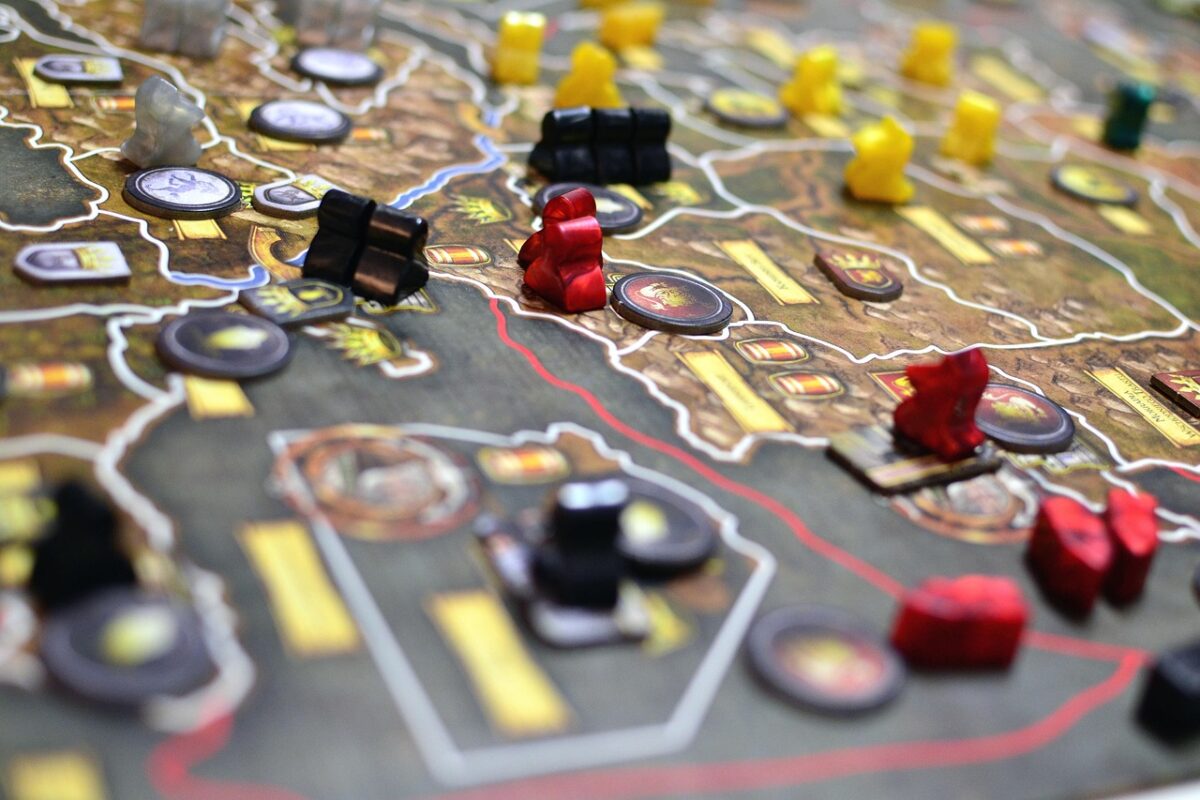
Two players, five players, a table of eight with three of them under ten. The count on the box is a range; here is how to read it properly.
Board games that teach themselves
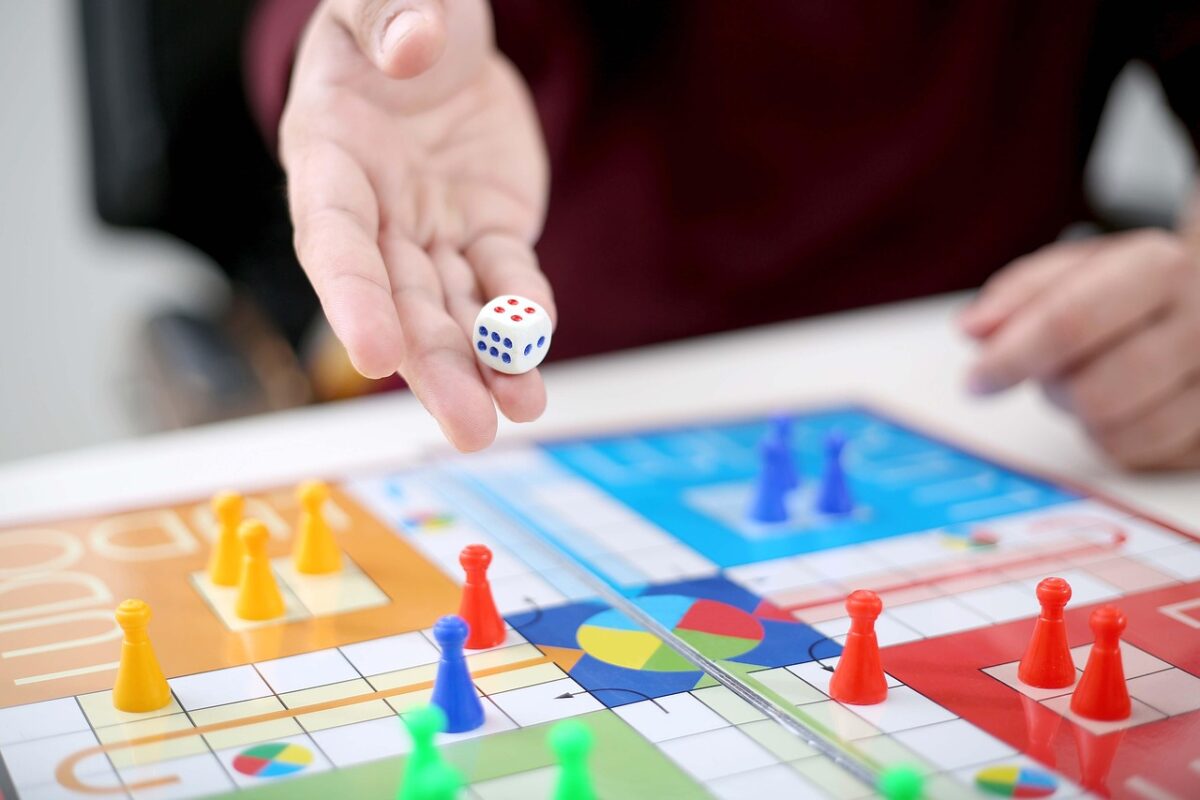
The single biggest predictor of whether a game gets played twice is how long the rules take. What makes a game self-teaching, and what to look for on the box.